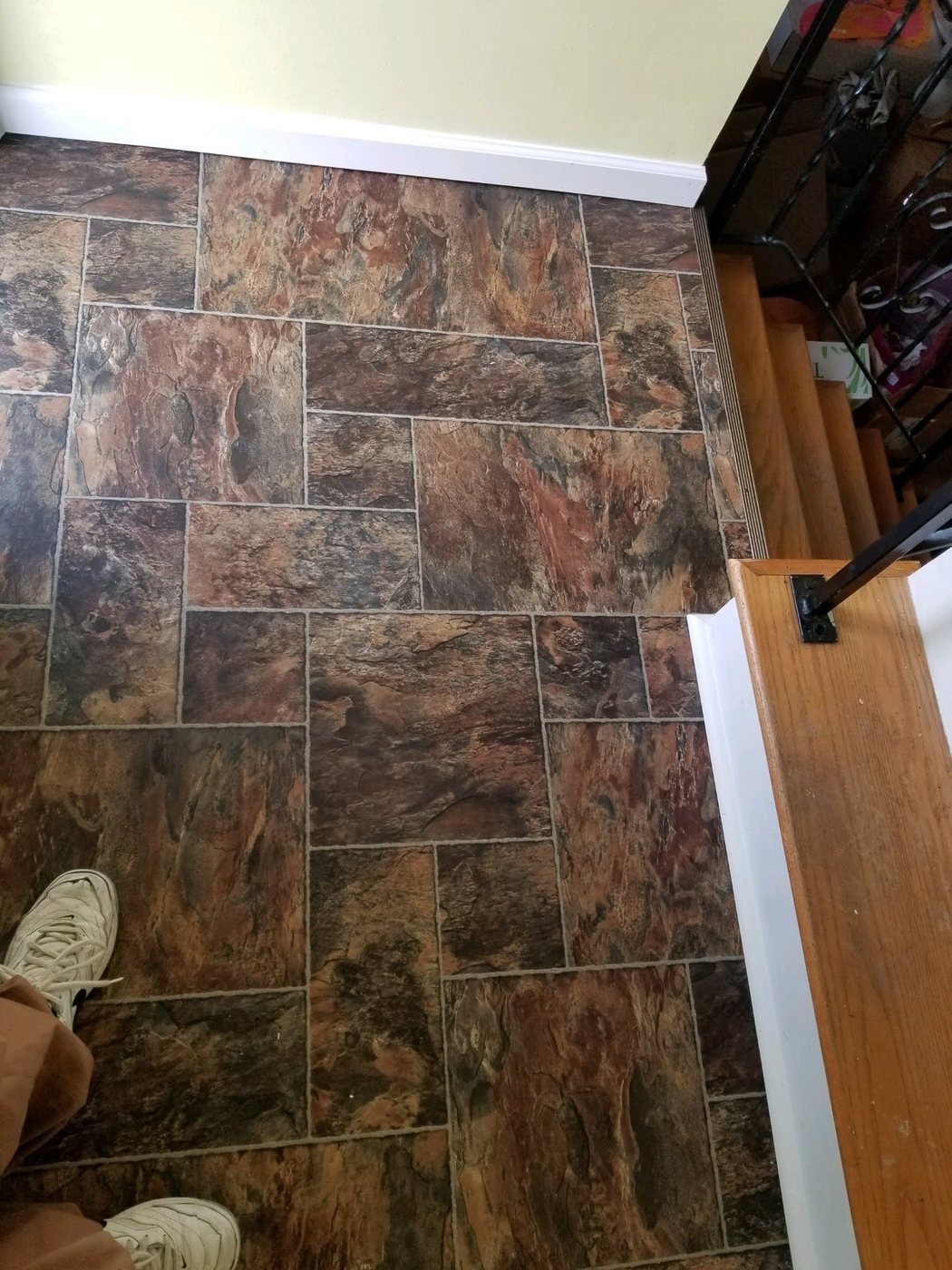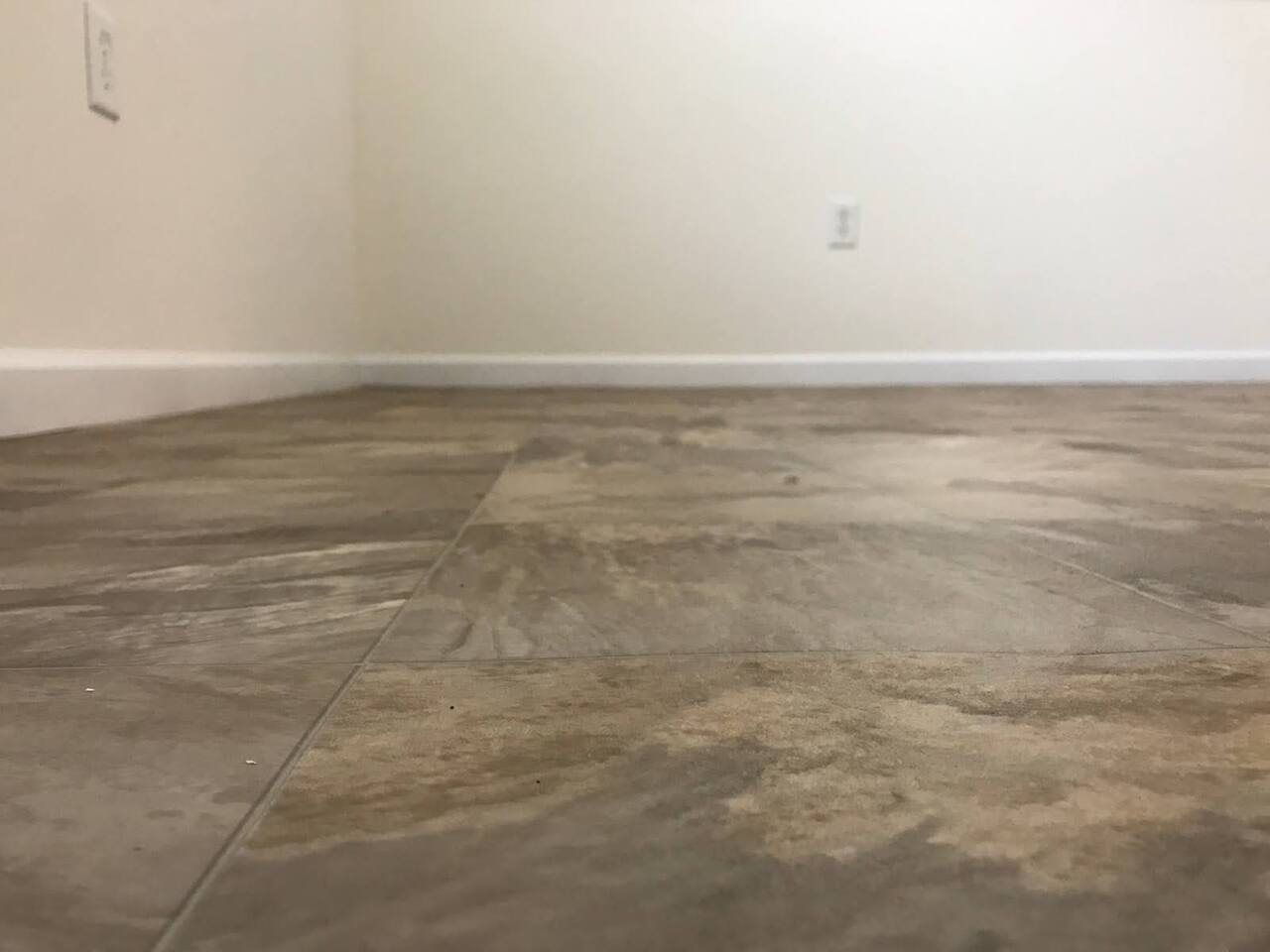
Porcelain, ceramic, and shower tile

Tile Flooring in Albany, NY

Best for
Showers, baths, backsplashes, entries
Compare
Porcelain, ceramic, grout, slip resistance

Compare porcelain and ceramic tile at Albany Carpet Warehouse on Wolf Road. We help you choose tile texture, slip resistance, grout color, and layout details for showers, backsplashes, entries, and busy rooms.

Why Choose Porcelain & Ceramic Tile?

  • Proven Durability: Waterproof and scratch-resistant options for showers, entries, backsplashes, and high-traffic rooms.
  • Design Versatility: A wide range of sizes, textures, patterns, and trims to fit the room design.
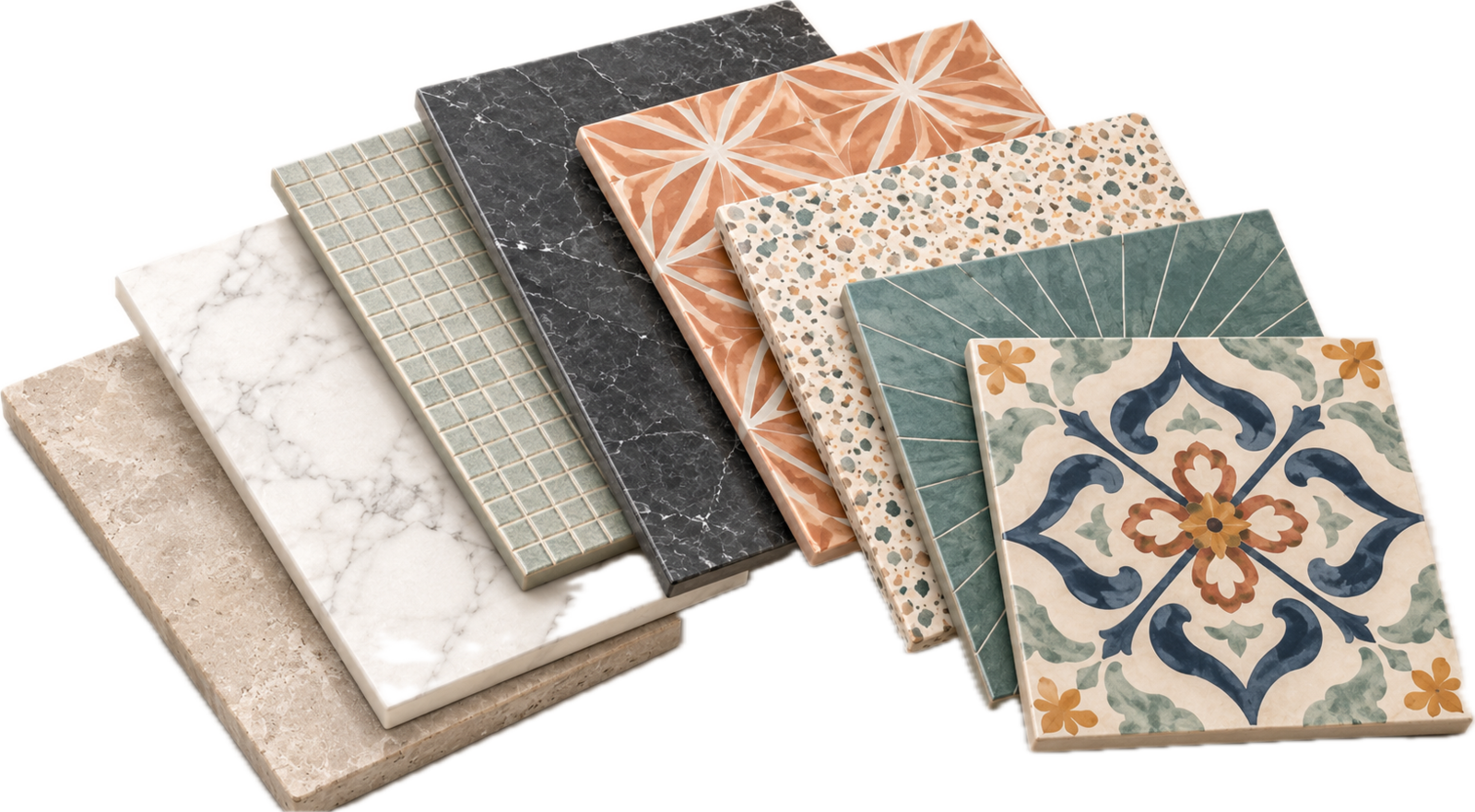
Tile samples in stone, marble, ceramic, and textured finishes at the Wolf Road showroom

Where tile makes the most sense

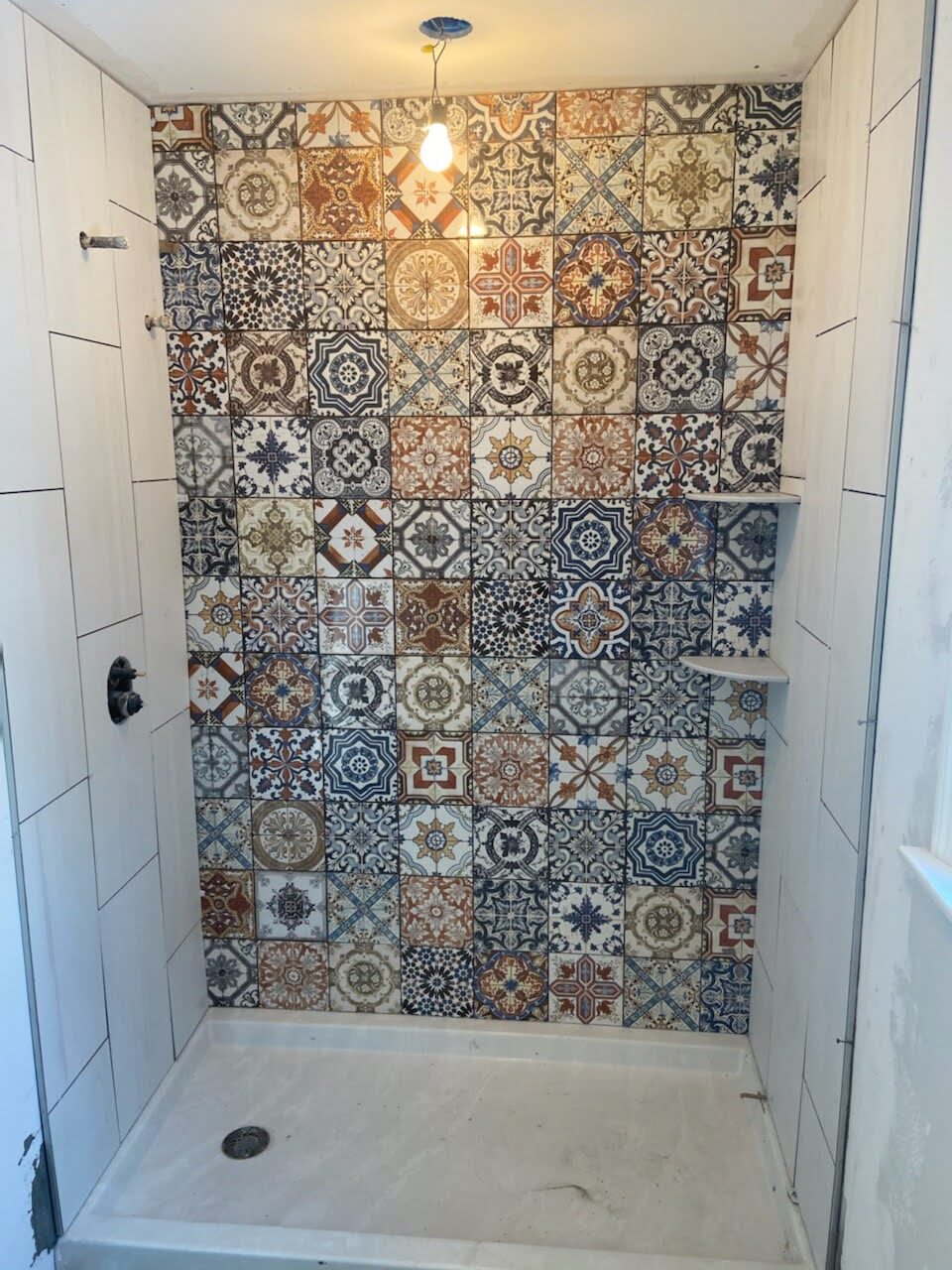
Tile is strongest where water, heat, and daily cleanup matter. Bathrooms, custom showers, kitchen backsplashes, laundry rooms, mudrooms, and entry areas are common tile projects around the Capital Region.

If you want a warmer feel in a bedroom or main living area, the showroom may point you toward carpet, hardwood, LVP, or laminate instead.
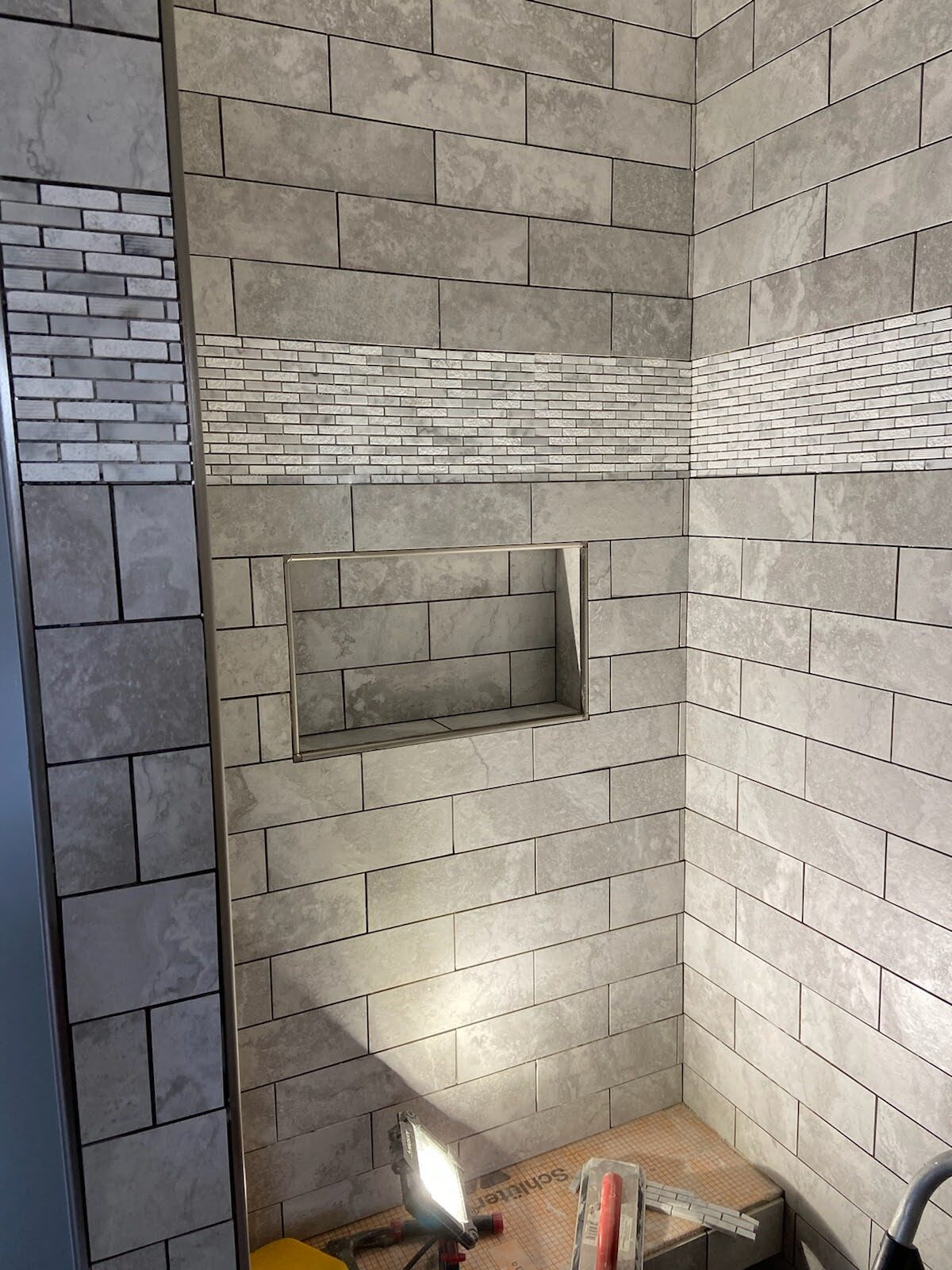
Tile display samples in the Wolf Road showroom

Compare tile size, finish, pattern, and grout in person

Why people choose tile

  • Water & Heat Proof: The only choice for custom showers and fireplace surrounds.
  • Extreme Durability: High-grade porcelain resists almost all scratches and dents.
  • Design Flexibility: Endless patterns, mosaics, and layouts are possible.
  • Easy to Clean: Glazed surfaces wipe down quickly and safely.

What to choose carefully

  • Cold & Hard: Can feel cold underfoot without radiant heating systems.
  • Grout Maintenance: Grout lines require sealing and periodic deep cleaning.
  • Installation Cost: Requires skilled, labor-intensive mortar and backer board prep.
Porcelain and ceramic tile options on a showroom display board

Bring room photos, measurements, and finish samples

Tile decisions get easier when you can compare samples against the actual room. Bring photos, rough measurements, cabinet or counter colors, and notes about water, traffic, and cleaning expectations.

  • For showers, ask about layout, niches, trim pieces, and grout color.
  • For backsplashes, compare tile scale against the counter and cabinet style.
  • For floors, talk through transitions, thresholds, and installer measurement.
Flooring planning display in the showroom
Albany Carpet Warehouse storefront on Wolf Road shown behind the customer review card

Bring the room details

01

Bring photos

Show the room, cabinets, counters, paint colors, and any problem areas.

02

Compare samples

Look at tile size, finish, grout color, trim, and layout direction in person.

03

Plan installation

Talk through measurements, transitions, prep work, and installer next steps.

Frequently Asked Questions About Tile

Learn the differences between porcelain and ceramic tile, grout selections, and sealant requirements.

Should I choose porcelain or ceramic tile for my floor?

Porcelain tile is fired at a higher temperature, making it denser, less porous, and highly resistant to scratching, chipping, and moisture. We recommend porcelain for floors, entryways, and outdoor use because of its durability. Ceramic tile is slightly softer, easier to cut, and is highly suitable for wall applications, backsplashes, and light-traffic residential flooring.

How do I choose the right grout joint size and color?

Rectified tiles (with precision-ground edges) allow for narrow grout joints (1/16-inch), creating a modern, seamless look. Non-rectified tiles require wider joints (1/8-inch to 3/16-inch). For grout color, choosing a tone that matches the tile creates a clean, continuous look, while a contrasting grout highlights the tile pattern. We recommend using high-quality stain-resistant grouts like MAPEI Ultracolor Plus.

Do tiles and grout need to be sealed?

Glazed porcelain and ceramic tiles do not require sealing. However, natural stone tiles (like marble, slate, or travertine) and traditional cement-based grouts must be sealed to protect against staining and moisture penetration. Pre-mixed or high-performance grouts (such as epoxy grouts) do not require sealing.

What is the slip resistance rating of tile, and why does it matter?

Slip resistance is measured by the Dynamic Coefficient of Friction (DCOF). For wet areas like bathroom floors and custom showers, we recommend tiles with a DCOF rating of 0.42 or higher to prevent slipping when wet.

Compare tile with other flooring materials.

Ready to compare tile for a bathroom, shower, or backsplash?

Call or stop by the Wolf Road showroom to compare tile samples and talk through the room.